Skip to content

主席有話兒

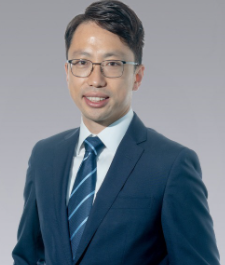
Andrew Lau
Chairman 2026-2028


超越「世界城市」

如何透過智慧投資,建立一個屬於所有人的香港

香港一直以來都以「亞洲國際都會」這個稱號為榮。我們的天際線糅合了傳統與現代,街道交織著東西方文化,勞動力更吸引來自世界各地的頂尖人才。但若我們仔細審視,問題依然是:我們的城市,是否真正屬於每一位生活在這裡的人?

真正的共融,不應只是容忍,而是積極的融入。這關乎確保在香港出生的少數族裔青年,能與其他人一樣,感覺自己是道地的香港人;這關乎讓有吞嚥困難的長者,能與朋友一起享受一盅兩件的飲茶時光;這也關乎讓基層家庭擁有茁壯成長所需的支援網絡,而不僅僅是勉強生存。

要建立這樣的社會,單靠善意並不足夠。我們需要精明、具策略性的社會效益投資——將資金投入那些非政府機構和社企,讓它們不只是在問題表面貼上膠布,而是透過就業、文化敏感的服務,以及創新的工具,帶來系統性的改變。

以下便是這種思維如何在香港這片土地上,為建立一個更共融的社會埋下種子。

建立一個真正適合所有人的職場

對許多邊緣群體而言,融入社會的最大障礙,就是就業市場。在香港,即使是土生土長的少數族裔,也往往在教育及就業方面面臨系統性的挑戰。同樣地,全職母親、有特殊教育需要的青年,以及 LGBTQ+ 群體,都擁有巨大的潛能,卻因潛在的偏見或僵化的工作結構而未能被充分發掘。

社企正正處於最有利的位置,去填補這個缺口。它們就像「效益培育中心」,提供必要的技能、培訓和支持性環境,讓弱勢群體能有尊嚴地投身勞動市場。勞工處推出的「少數族裔就業計劃」是好的開始,但真正的改變,需要商界主動與非政府機構建立夥伴關係,開闢更多就業途徑。想像一下,如果有一間科技社企,專門培訓有特殊教育需要的青年掌握高需求的編程技能;或者有一間餐飲公司,讓少數族裔婦女成為主廚,透過美食展現她們的文化傳統,那會是怎樣的景象?

不只一頓飯:文化與醫療並重的關懷力量

共融,也意味著被看見、被理解。對於香港的穆斯林社群,這代表他們能擁有信仰和文化備受尊重的空間。在土瓜灣,一個由非政府機構營運的社區中心 HUB13,便設有符合清真規格的廚房。這不僅僅是一個煮食的地方,更是一個讓巴基斯坦和印度裔的婦女能夠聚首一堂、分享感受、建立社交網絡和尋求支援的避風港,打破了她們因居於劏房而經常面對的孤立無援。

另一邊廂,讓我們想想高齡化的人口。對於數以十萬計患有吞嚥困難的長者來說,共享膳食——這個廣東文化的核心——成了一項挑戰。他們往往只能進食淡而無味的糊餐,而家人則在旁享受著正常的菜餚。

這時候,社會創新與投資便產生了協同效應。香港社會服務聯會與一家大型餐飲集團合作,推出了「軟心膳」系列,這是一種既安全吞嚥又美味的「照護食」。如今,在指定的餐廳,長者可以按照國際吞嚥障礙飲食標準,與家人一同享用賣相精緻的「瑞士雞翼飯」或軟嫩的燒賣。這個由商界和政府支持的計劃,提供的不只是一頓飯,而是重拾了尊嚴,以及與家人同桌吃飯的簡單喜悅。

精明算盤:計算共融的實際回報

我們談過了人性化的影響,現在讓我們談談數字。作為一個社會,我們常常將政府用於支援長者、殘疾人士或基層家庭的津貼視為一種開支。但假如我們扭轉這個觀念,將其視為一項可以量化回報的投資呢?

這就是社會投資回報率的核心原則。基本上,SROI 是一個衡量價值的框架,而這些價值(如社會凝聚力、身心健康和個人尊嚴)是傳統財務報表無法反映的。它問的是:「我們每投入一元,能產生多少社會價值?」

我個人的觀點是,我們可以透過政府開支的角度,讓 SROI 的概念變得更具體。讓我們這樣思考:政府目前會撥出特定預算來支援某個群體。這些資金用於日常生活津貼、特殊護理,或是援助那些因自身條件而在傳統經濟中難以立足的人。

當一間社企或一間推動共融的企業,僱用了該群體中的一個人,一個奇妙的轉變便會發生。這個人從政府的受助者,搖身一變成為納稅的貢獻者。他獲得了獨立,而更重要的是,他減輕了原本用以支援他的政府資金的負擔。

讓我們用你提到的一個很好的本地例子來說明:酒店業聘請聽障人士。

一位聽障人士,傳統上可能需要依賴政府的綜援或職業培訓資助來生活。這是一個必要的安全網,但同時也是預算案上的一項開支。現在,想像有一間酒店集團決定主動招聘聽障人士擔任特定崗位,例如洗衣服務或廚房的備料工作。

酒店業發現,這些環境通常噪音較大,對所有人來說,語言溝通都很困難。然而,聽障員工往往較少受嘈雜環境干擾,能專注於需要視覺專注力的工作,例如將床單熨出完美摺痕,或是精準地切割食材。他們不只「填補了一個空缺」,更往往能在該崗位上表現出色。

這裡的「社會回報」是雙重的:

  1. 收益: 該名人士賺取薪金、繳納稅款,並獲得尊嚴和人生目標。他現在成為了經濟的淨貢獻者。
  2. 節省: 政府可以減少或重新調配原本用於支援該名人士的特定資助,將資金釋放出來,投資在其他地方,例如早期介入計劃或創新項目。

因此,實際的 SROI 計算並非一個抽象的數字。它應該是該人士繳納的稅款、加上他們現在提供的服務價值、再加上政府不再需要支付的津貼的總和。這成功地將一項財政負債,轉化為一項財政資產。當我們透過這個角度來看待共融,它就不再只是「值得擁有」的點綴,而是建設一個有韌性的城市時,在財政上精明穩健的策略。

看不見的支柱:社會效益培育機構

在這些動人故事的背後,是一眾機構和基金讓一切成為可能。社會創新及創業發展基金就是一個絕佳例子,展示了政府如何透過資本成為變革的催化劑。透過委託社聯等中介機構營辦「Impact Incubator」等計劃,社創基金為社會創業家提供所需的知識、資源和網絡,讓他們得以擴大解決方案的規模。

數據說明了成效。一項對社創基金的評估顯示,每投資一元,便能產生超過5.50港元的社會回報。該基金已協助創造超過3,200個職位,其中超過2,400個直接由弱勢社群擔任。這不只是慈善,而是能建立一個更強大、更具韌性社會的高效益投資。

就連商界也開始將這份承諾制度化。經優化的「商界展關懷計劃」如今與全球可持續發展目標對齊,推動企業超越一次性的捐款,與社福機構建立長遠、具策略性的夥伴關係。這創造了一個強大的生態系統,讓企業運用其獨特的專業能力(市場推廣、物流、財務),幫助社企將其影響力擴大到遠超過單純資助所能達到的規模。

未來,始於共融

一個把任何人(不論種族、年齡、能力、性向或收入)排除在外的社會,只是發揮了一半潛能的社會。當我們將心態從「寫支票」轉變為進行策略性的社會效益投資,我們就能建立一個強大的支援系統。

這關乎資助那些能看見標籤背後的「人」的非政府機構和社企。這關乎為少數族裔青年創造就業機會,讓他最終能被簡單地稱為「香港人」。這關乎一個清真廚房,成為新來港家庭的救命稻草。這關乎一顆根據標準製作的「照護食」燒賣,讓祖父能與家人維繫飯桌的連結。這也關乎我們意識到,一位任職酒店的聽障人士,並非慈善的受惠者,而是一位技術熟練的專業人士,他的貢獻正在強化我們的經濟,並減輕公共財政的壓力。

當我們投資於融合,我們不只是幫助「他們」。我們正在豐富我們整個城市的內涵。我們正在建立一個真正名副其實、屬於所有人的香港。


參考資料


Beyond the World City

How Smart Investment Can Build a Hong Kong for Everyone

Hong Kong has always worn its “Asia’s World City” badge with pride. Our skyline is a mix of the traditional and the ultramodern, our streets are a fusion of Eastern and Western cultures, and our workforce draws talent from every corner of the globe. But if we look closer, the question remains: is our city truly for everyone who lives in it?

True inclusivity isn’t just about tolerance; it’s about active integration. It’s about ensuring that an ethnic minority youth born in Hong Kong feels as much a Hongkonger as anyone else. It’s about a senior citizen with swallowing difficulties being able to enjoy a dim sum lunch with friends, and a low-income family having the support network to thrive, not just survive.

Building this kind of society requires more than just good intentions. It demands smart, strategic social impact investment—channeling funds into NGOs and social enterprises that don’t just apply a band-aid, but create systemic change through employment, culturally sensitive services, and innovative tools.

Here’s how this approach is already planting the seeds for a more inclusive Hong Kong.

Creating a Workplace That Works for All

For many marginalised groups, the biggest barrier to integration is the job market. Ethnic minorities in Hong Kong, even those who have lived here for generations, often face systemic challenges in education and employment. Similarly, stay-at-home mothers, individuals with special educational needs (SEN), and members of the LGBTQ+ community possess immense potential that remains untapped due to unconscious bias or inflexible workplace structures.

Social enterprises are perfectly positioned to bridge this gap. They act as “impact incubators,” providing the skills, training, and supportive environment needed for underrepresented groups to enter the workforce with dignity. Programmes like the Racial Diversity Employment Programme offered by the Labour Department are a start, but real change happens when businesses actively partner with NGOs to create pathways. Imagine a tech social enterprise that specifically trains SEN individuals for high-demand coding jobs, or a catering company that empowers ethnic minority women to become head chefs, celebrating their cultural heritage through food.

More Than a Meal: The Power of Culturally and Medically Sensitive Care

Inclusivity also means being seen and understood. For Hong Kong’s Muslim community, this can mean access to spaces where their faith and culture are respected. In To Kwa Wan, an NGO-run community hub called HUB13 features a dedicated halal kitchen. It’s more than just a place to cook; it’s a sanctuary where Pakistani and Indian homemakers can gather, share feelings, build social networks, and access support, breaking the isolation that often comes with living in subdivided flats.

On the other end of the spectrum, consider our ageing population. For the hundreds of thousands of elderly citizens living with dysphagia (difficulty swallowing), sharing a meal—a cornerstone of Cantonese culture—becomes a challenge. They are often relegated to eating bland, pureed mush while their families enjoy regular food.

This is where social innovation meets investment. The Hong Kong Council of Social Service (HKCSS) partnered with a major restaurant group to launch “Soft Heart Meal” (軟心膳) , a line of “care food” that is both safe to swallow and delicious. Now, at designated restaurants, grandparents can enjoy a beautifully textured “Swiss Chicken Wing” rice or a delicate siu mai, designed to the International Dysphagia Diet Standardisation Initiative (IDDSI) , right alongside their families. This initiative, supported by businesses and the government, doesn’t just provide a meal; it restores dignity and the simple joy of eating together.

The Smart Money: Calculating the Real Return on Inclusion

We’ve talked about the human impact, but let’s talk about the numbers. As a society, we often view government subsidies to support groups like the elderly, the disabled, or low-income families as a cost. But what if we flipped that narrative and viewed it as an investment with a measurable return?

This is the principle of Social Return on Investment (SROI) . At its core, SROI is a framework for measuring value that isn’t traditionally reflected in financial statements—like social cohesion, wellbeing, and personal dignity. It asks: “For every dollar we put in, how much social value do we get out?”

My personal view is that we can make SROI even more tangible by looking at it through the lens of government expenditure. Think of it this way: the government currently allocates a certain budget to support a specific group. This funding covers things like daily living allowances, specialized care, or social security for individuals who, through no fault of their own, struggle to find a foothold in the traditional economy.

When a social enterprise or an inclusive business hires someone from that group, a fascinating shift happens. That individual transitions from being a recipient of government support to a tax-paying contributor. They gain independence, and crucially, they reduce the burden on the very government funds that previously supported them.

Let’s ground this in a powerful local example: the hospitality industry hiring deaf individuals.

A deaf person might traditionally rely on government support for living expenses or specialized job training programs.

It’s a necessary safety net, but it’s also a cost line on a budget. Now, imagine a hotel chain deciding to actively recruit deaf individuals for specific roles—for instance, in their laundry department or back-of-house kitchen prep.

Hotels have realized that these environments can be loud, making verbal communication difficult for everyone. Deaf employees, however, are often less distracted by auditory chaos, can focus intensely on visual tasks like ironing linens with perfect creases or chopping vegetables with precision, and communicate effectively through simple visual signals or basic sign language. They aren’t just “filling a role”; they often excel in it.

The “social return” here is twofold:

  • The Gain: The individual earns a salary, pays taxes, and gains dignity and purpose. They are now a net contributor to the economy.
  • The Saving: The government can potentially reduce or reallocate the specific funding that was supporting that individual, freeing up that capital to invest elsewhere—perhaps in early intervention programs or innovation.

So, the actual SROI calculation isn’t just an abstract number. It’s the sum of the taxes they now pay, plus the value of the services they now provide, plus the government subsidies that are no longer needed. It transforms a fiscal liability into a fiscal asset. When we see inclusion through this lens, it’s not just a “nice to have.” It becomes a financially prudent strategy for building a resilient city.

The Unseen Scaffolding: Social Impact Incubators

Behind these inspiring stories are the organisations and funds that make them possible. The Social Innovation and Entrepreneurship Development Fund (SIE Fund) is a prime example of how government-backed capital can be a catalyst for change. By commissioning intermediaries like the HKCSS to run programmes like the “Impact Incubator,” the Fund provides social entrepreneurs with the knowledge, resources, and networks they need to scale their solutions.

The results speak for themselves. An evaluation of the SIE Fund found that for every dollar invested, it generated over HK$5.50 in social return. It has helped create over 3,200 jobs, more than 2,400 of which went directly to the underprivileged. This isn’t just charity; it’s high-impact investment that builds a stronger, more resilient society.

Even the corporate world is formalising its commitment. The revamped “Caring Company Scheme” now aligns with global sustainability goals, pushing companies to move beyond one-off donations and build long-term, strategic partnerships with social welfare agencies. This creates a powerful ecosystem where businesses bring their unique skills—marketing, logistics, finance—to the table, helping social enterprises scale their impact far beyond what grants alone could achieve.

The Future is Inclusive

A society that leaves people behind—whether due to race, age, disability, sexual orientation, or income—is a society that is only operating at half its potential. By shifting our mindset from writing cheques to making strategic social impact investments, we can build a robust support system.

It’s about funding the NGOs and social enterprises that see the person behind the label. It’s about creating jobs for the ethnic minority youth so he can finally just be called a “Hongkonger.” It’s about a halal kitchen that becomes a lifeline for a newly-arrived family. It’s about a perfectly steamed “care food” dumpling that lets a grandfather stay connected to his family at the dinner table. And it’s about recognizing that a deaf hotel employee isn’t just a beneficiary of charity, but a skilled professional whose contribution strengthens our economy and eases the burden on our public purse.

When we invest in integration, we aren’t just helping “them.” We are enriching the fabric of our entire city. We are building a Hong Kong that truly lives up to its name—for everyone.


References